
Vegetation Control Without Hauling or Burning
Veteran owned, fully insured, and delivering high-efficiency vegetation management across East Alabama overgrown properties.
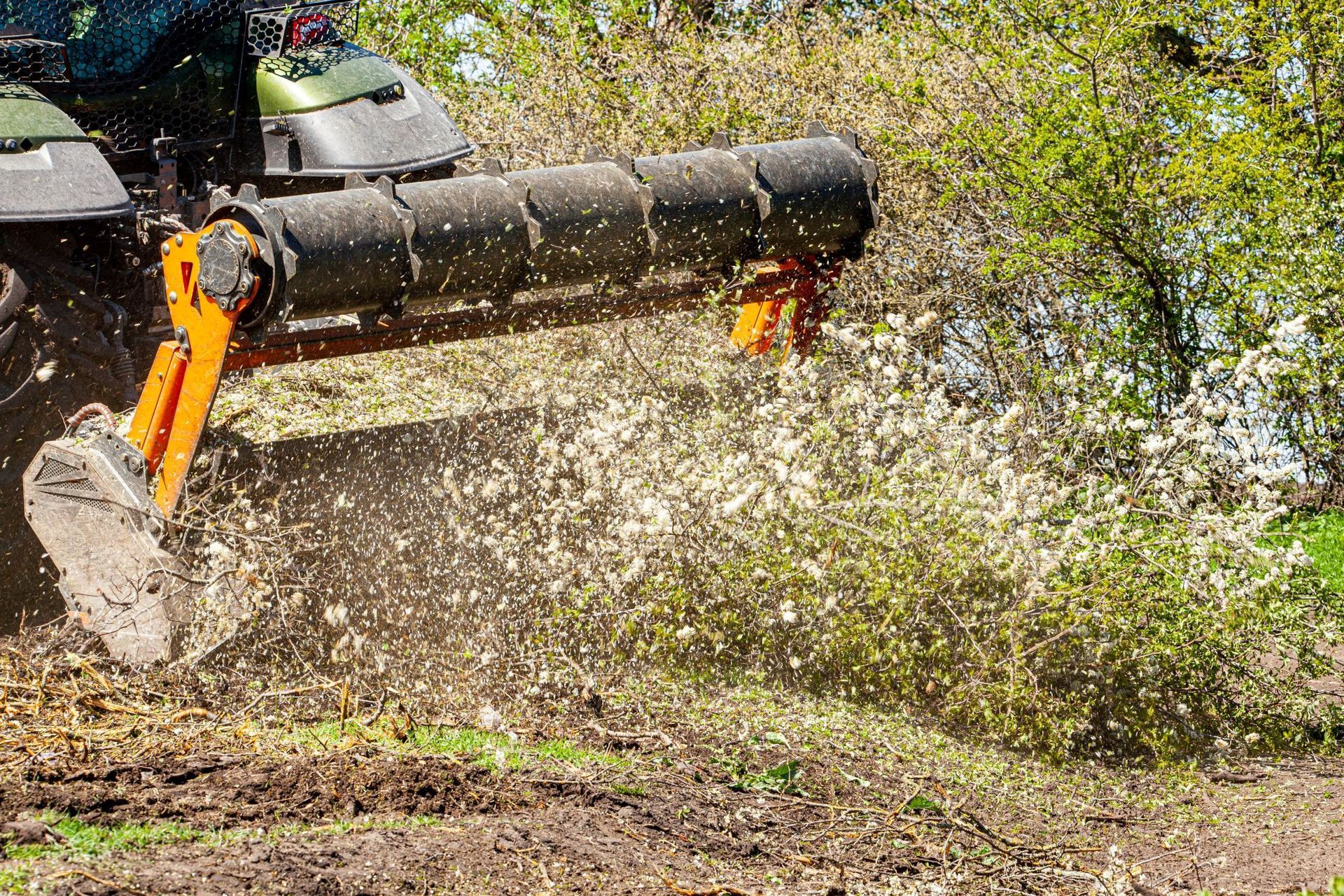
LCA Land Mulching proudly provides professional forestry mulching services across Seale and East Alabama, catering specifically to property owners who are managing the challenges posed by dense saplings, invasive brush, and overgrowth that obstructs access to their valuable wooded acreage. As a veteran-owned business, we take great pride in our commitment to delivering a high standard of professional project management from start to finish. Our operations utilize specialized drum-mounted equipment designed to grind down vegetation into rich mulch material efficiently in a single pass. This innovative process not only eliminates the need for hauling debris off-site but also avoids the hassle and environmental concerns associated with burning piles on your land. As a result, you are left with a clean, natural ground coverage that decomposes over time, enriching the local soil by adding organic matter while actively suppressing weed regrowth through effective light exclusion.
Our mulching process is capable of handling saplings up to six inches in diameter, as well as thick briars and tangled undergrowth, all without disturbing vital root systems or compromising the topsoil structure. The mulch layer that remains serves as a protective barrier, providing essential erosion control on sloped terrain—a significant benefit for numerous wooded properties in East Alabama, especially considering the impact of seasonal rainfall that can rapidly flow across bare ground. Our typical projects encompass a variety of land management needs, including hunting land access trails, fence line corridors, residential lot perimeters, and recreational property restoration. Our method stands out particularly because traditional clearing techniques often strip soil or necessitate multiple equipment passes, causing further disruption.
To get started, we invite you to request a detailed property walkthrough. This evaluation will allow us to assess vegetation density and terrain accessibility for your acreage, ensuring we tailor our services to meet your specific needs effectively.
What Happens to the Land After Mulching
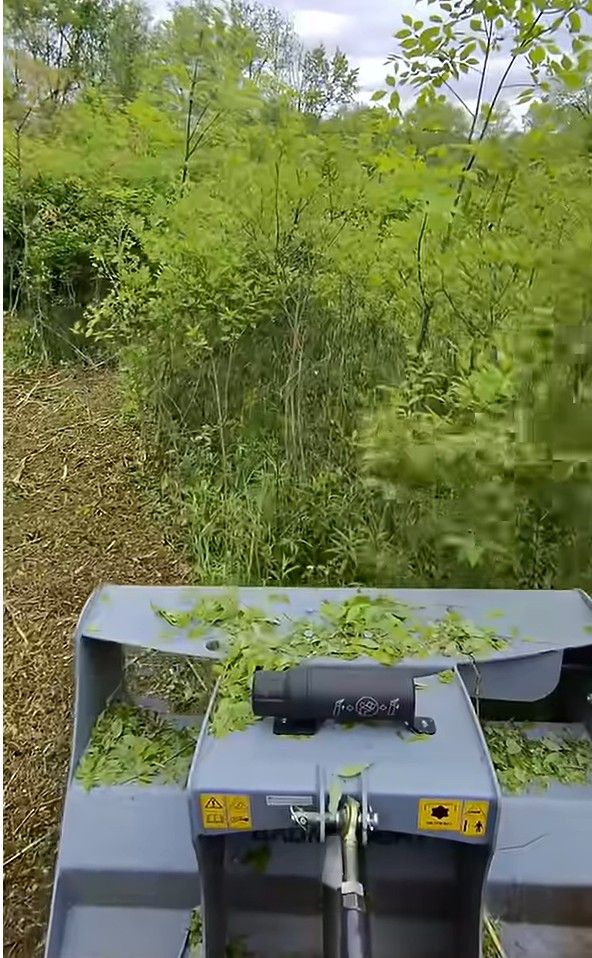
The equipment grinds standing vegetation down to ground level, leaving a uniform mulch layer between two and four inches deep depending on the original density of the undergrowth. This layer settles within weeks and begins decomposing, creating a barrier that slows the return of seed-based weeds and reduces the chance of aggressive regrowth from dormant root systems. We focus on transparent recommendations, and proudly offer a 10% referral commission program for customers who help us introduce our efficient clearing methods to new neighbors. LCA Land Mulching plans precise equipment routes to avoid mature trees worth preserving while cleanly removing the competing undergrowth that limits their growth and blocks visibility.
After the work is finished, you notice cleared sight lines across previously impassable sections, defined trails or corridors where vehicles and foot traffic can move without fighting brush, and a clean appearance that makes the property look maintained rather than abandoned. LCA Land Mulching plans equipment routes to avoid mature trees worth preserving while removing the competing undergrowth that limits their growth and blocks visibility.
The mulch layer provides immediate erosion control, which is why forestry mulching works well for properties with drainage concerns or sloped areas prone to runoff channeling. The organic material stays in place during rain events, unlike bare soil exposed by traditional clearing methods that require follow-up seeding or stabilization work.
Questions Property Owners Ask Before Clearing
Property owners working with wooded acreage throughout East Alabama often have similar concerns about vegetation management, equipment access, and what the finished clearing will look like after the mulch settles.
What size vegetation can forestry mulching handle?
The drum mulcher processes saplings and brush up to six inches in diameter, including thick briars, vines, and dense undergrowth, but larger mature trees require different removal methods if they need to come down.
How does mulching prevent erosion better than burning or hauling debris?
The mulch layer remains on-site as a protective ground cover that absorbs rainfall impact and slows surface water movement, which is especially useful on sloped wooded terrain common in Seale and surrounding East Alabama communities where bare soil erodes quickly during heavy rain.
How long does the mulch take to decompose?
Decomposition depends on the vegetation type and local moisture levels, but most mulch layers break down noticeably within six to twelve months, adding organic matter to the soil while the suppression effect on regrowth continues during that period.
What projects benefit most from forestry mulching?
Hunting land trails, fence line clearing, residential acreage perimeter maintenance, and recreational property restoration all benefit because the method clears vegetation efficiently without the soil disturbance or debris removal logistics that slow down traditional clearing.
Can mulching work around trees you want to keep?
Equipment operators route around marked trees or established hardwoods, removing only the competing undergrowth and saplings while leaving desirable mature trees standing with improved growing space and visibility around their base.
LCA Land Mulching evaluates terrain access and vegetation density during on-site property reviews, which helps establish realistic clearing timelines and identify any areas requiring special attention. Contact LCA Land Mulching at (334) 540-4908 to arrange a property assessment and discuss mulching options for your wooded acreage.