
Forestry Thinning Services Across East Alabama
Veteran-owned and fully insured selective thinning to safely improve forest health, tree growth, and visibility.
Overcrowded wooded property creates competition for sunlight, water, and nutrients that stunts tree growth and produces weak, spindly stems instead of healthy mature timber. Forestry thinning removes selected vegetation to reduce density, allowing remaining trees to develop stronger trunks and fuller canopies. LCA Land Mulching evaluates wooded properties throughout Seale and surrounding East Alabama communities to determine which trees and undergrowth should be removed based on spacing, species, and long-term land management goals. Our selective process improves forest health while opening clear sight lines and access routes across previously impassable terrain.
Thinning differs from complete clearing because it targets specific vegetation rather than removing everything. The work might remove clusters of volunteer pines competing with established hardwoods, clear undergrowth that blocks visibility while leaving the canopy intact, or create corridors through dense stands for hunting access and wildlife movement. Properties used for recreation, timber management, or wildlife habitat all benefit from selective thinning that improves conditions without stripping the wooded character of the land.
Arrange a property evaluation to discuss thinning strategies based on your current forest composition and management priorities.
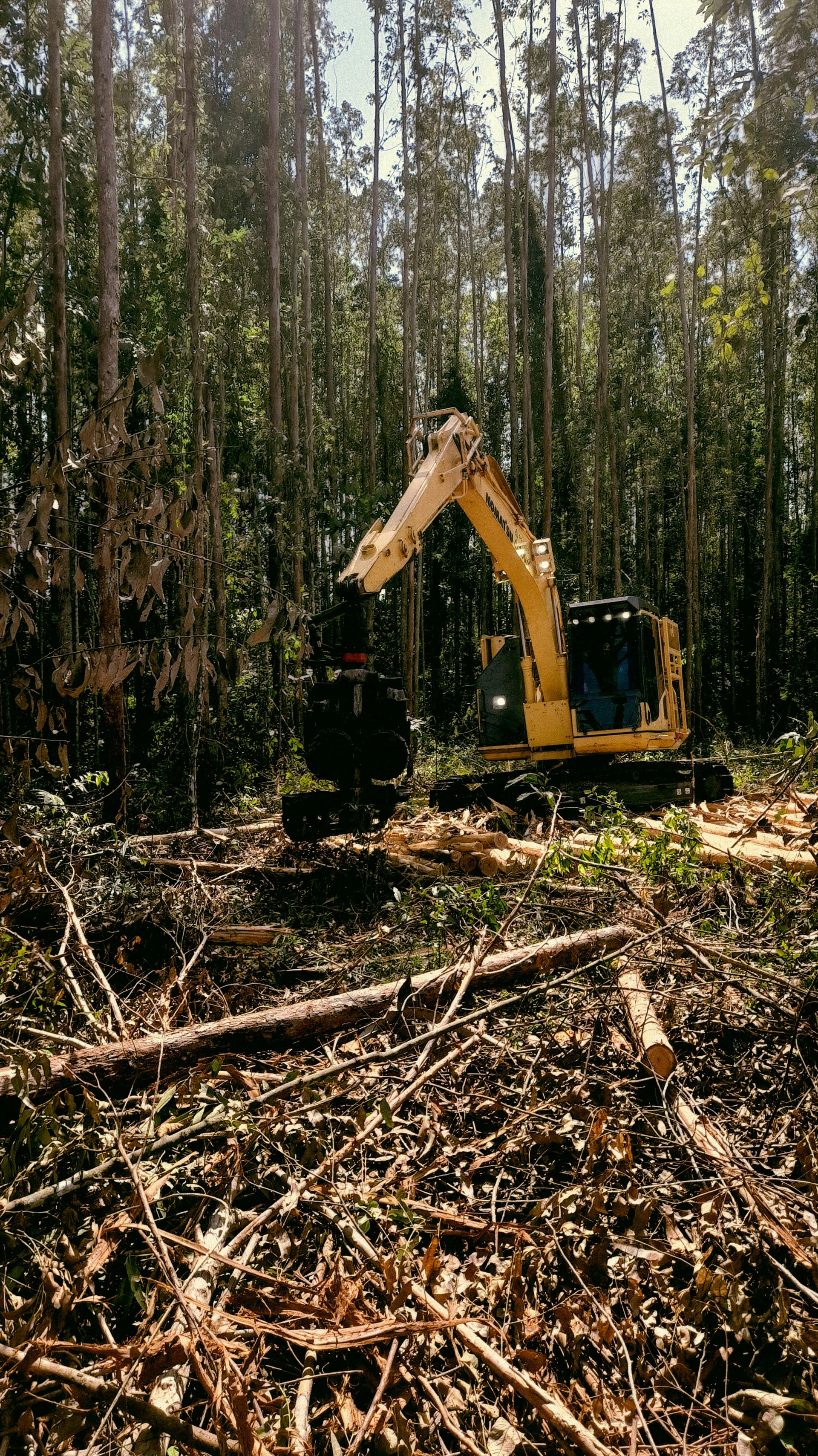
What Proper Thinning Requires
Effective forestry thinning begins with walking the property to assess tree spacing, species distribution, and undergrowth density. The evaluation identifies which vegetation to remove based on whether trees are overcrowded, whether undesirable species are outcompeting valuable hardwoods, and whether undergrowth needs reduction to improve access and visibility. Decisions about what stays and what goes depend on the property's intended use, whether that involves timber production, hunting land management, or simply maintaining healthy wooded acreage.
After thinning, you notice that remaining trees have more growing space around their canopies, undergrowth no longer forms impenetrable thickets between mature trunks, and movement through the woods becomes possible without constant detours around dense vegetation. LCA Land Mulching uses equipment that processes removed vegetation into mulch, leaving organic material on-site rather than creating piles that require hauling or burning.
Thinning does not eliminate all undergrowth or create a manicured landscape unless that is your specific goal. Instead, it reduces density to sustainable levels that allow the forest to function without excessive resource competition. Properties across East Alabama often include mixed hardwood and pine stands where selective removal improves long-term forest composition and creates more diverse wildlife habitat. As an experienced land management company, we provide upfront project evaluations to ensure our professional project management delivers exactly what your timberland or hunting property needs.
Answers to Frequent Thinning Questions
Landowners managing wooded acreage often need clarity about what thinning involves, how it differs from other clearing methods, and what results to expect across different forest types.
What determines which trees get removed during thinning?
Selection depends on tree spacing, species desirability, health condition, and whether the tree contributes to or detracts from management goals like wildlife habitat, timber value, or recreational access.
How does thinning improve tree growth?
Reducing competition allows remaining trees to access more sunlight, water, and soil nutrients, which promotes faster diameter growth, stronger root systems, and fuller canopy development compared to overcrowded conditions.
Will thinning improve hunting land visibility?
Selective removal of undergrowth and smaller trees opens shooting lanes and sight distances while maintaining enough cover and edge habitat to support game movement, which is particularly useful on dense wooded hunting properties common throughout Eufaula-area acreage.
How often should wooded property be thinned?
Frequency depends on vegetation growth rates and management objectives, but most properties benefit from thinning every five to ten years to prevent overcrowding and maintain healthy forest composition.
Can thinning help with wildfire risk?
Reducing undergrowth and spacing trees farther apart lowers fuel loads and limits how quickly ground fires can spread or climb into canopies, which improves safety on rural wooded properties during dry conditions.
LCA Land Mulching provides on-site assessments that evaluate current forest conditions and recommend thinning approaches tailored to your property's specific vegetation and terrain. Contact LCA Land Mulching at (334) 540-4908 to discuss forestry thinning for your wooded acreage.